


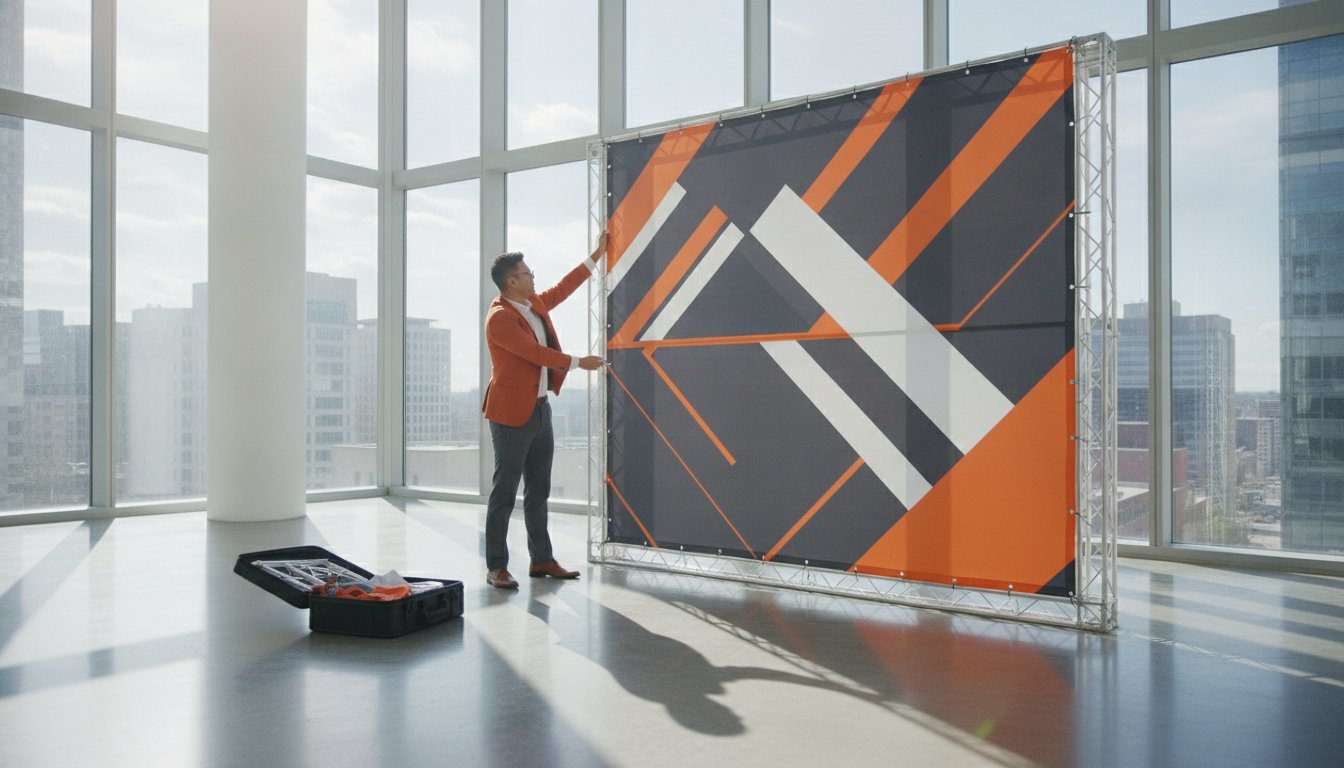
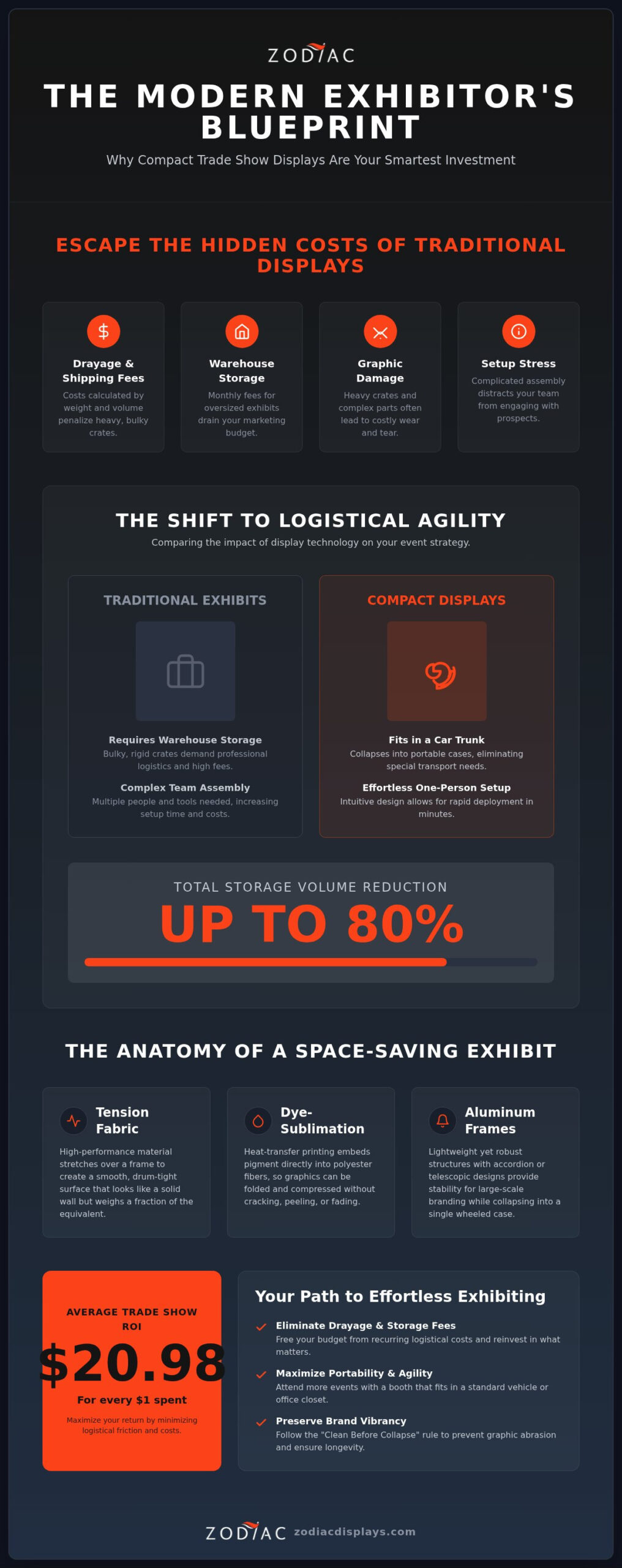
Why should your brand’s physical presence be a logistical nightmare? You’re likely tired of paying more to store your booth than you did to build it, or dealing with the dread of opening a heavy, cumbersome crate only to find damaged graphics. Investing in compact trade show displays for easy storage is the smartest way to protect your marketing assets while maintaining the visual scale your brand deserves. With companies reporting an average ROI of $20.98 for every dollar spent on trade shows, the stakes for a perfect presentation are too high to let logistical friction slow you down.
Mastering the 2026 show floor requires a shift toward strategic agility and visual precision. We’ll show you how to secure a booth that fits in a car trunk, stays vibrant after months of storage, and allows for a seamless one-person setup. This guide covers essential NFPA 701 fire safety compliance and the latest modular trends, ensuring your next presentation is as effortless as it is unforgettable. We’ll help you move from the frustration of complex assembly to the pride of a well-executed, high-impact display.
Key Takeaways
- Unlock significant cost savings by eliminating the drayage and warehouse fees associated with traditional, oversized exhibits.
- Discover how advanced tension fabric and lightweight aluminum frames can reduce your total storage volume by up to 80% without sacrificing visual scale.
- Identify the best assets for your needs, from fabric backwalls to branded event tents, specifically choosing compact trade show displays for easy storage and rapid deployment.
- Master the technical “Clean Before Collapse” rule to prevent graphic abrasion and ensure your branding remains vibrant for years of repeated use.
- Learn how to partner with a creative consultancy to design a custom booth that fits perfectly within your existing storage constraints or even a standard car trunk.
The Logistics of Impact: Why Compact Trade Show Displays are Non-Negotiable
High-impact exhibiting isn’t about the size of your shipping crate; it’s about the scale of the impression you leave on the show floor. For the modern brand, compact trade show displays for easy storage represent a strategic evolution in how we approach event marketing. These assets are meticulously engineered to provide a massive visual footprint during the event while collapsing into a remarkably small physical profile once the lights go down. By prioritizing portability, you aren’t just saving space; you’re reclaiming your marketing budget from the silent killers of ROI.
Bulky, traditional exhibits carry “hidden costs” that often exceed the initial purchase price. Drayage fees, which are the costs associated with moving freight from the loading dock to your booth space, are typically calculated by weight and volume. When you add specialized shipping requirements and monthly warehouse fees into the equation, a heavy booth becomes a liability. Compact designs empower “active exhibitors” to pivot quickly. If your entire presentation can fit into a standard vehicle or a small office closet, your team can attend more regional shows and niche events with significantly less overhead and zero reliance on third-party logistics providers.
There’s also a profound psychological benefit to streamlined equipment. A cluttered marketing department often leads to fractured event execution. When your booth is easy to manage, setup becomes a point of pride rather than a source of stress. This clarity allows your team to focus on what actually matters: engaging with prospects and building professional partnerships.
The 2026 Shift Toward Logistical Agility
Modern brands are rapidly moving away from heavy, rigid crates in favor of sophisticated soft signage and tension fabric systems. This shift is driven by the need for “just-in-time” exhibiting, where agility is a competitive advantage in a fast-paced market. Compact displays represent the strategic intersection of high-visual impact and low-volume storage. By utilizing lightweight materials that don’t compromise on vibrancy, you can maintain a premium brand image while remaining mobile enough to capture opportunities at a moment’s notice.
Calculating the ROI of Easy Storage
The financial argument for compact assets is undeniable when you compare the cost of self-storage against professional exhibit warehousing. Beyond the direct storage fees, reduced weight translates to a lower carbon footprint and lower shipping expenses, aligning your marketing efforts with corporate sustainability goals. Furthermore, assets designed for easy storage tend to survive more event cycles. Because they are easier to handle and less prone to being shoved or dropped during transport, your investment maintains its visual precision for years. You can learn more about how to design for these efficiencies by visiting Zodiac Event Displays to explore custom, space-saving solutions.
The Anatomy of a Space-Saving Exhibit: Materials and Engineering
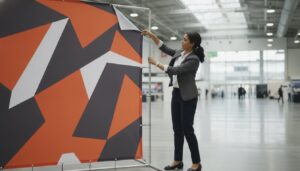
The bridge between a massive floor presence and a tiny storage footprint is built on advanced material science. To achieve the dream of compact trade show displays for easy storage, engineers have moved away from heavy, static components toward dynamic materials that prioritize flexibility. High-performance tension fabric is the undisputed champion of this category. It’s capable of reducing total storage volume by up to 80% compared to rigid alternatives. This isn’t just about saving space; it’s about the precision of the presentation. When fabric is stretched over a frame, it creates a smooth, drum-tight surface that looks like a solid wall but weighs only a fraction of the traditional equivalent.
The durability of these graphics comes from dye-sublimation printing. Unlike surface-level inks that can crack or peel when folded, dye-sublimation uses heat to embed the pigment directly into the polyester fibers. This chemical bond means you can fold, roll, and compress your graphics repeatedly without risking permanent damage. Supporting these graphics are lightweight aluminum frames designed with a “collapsible” philosophy. Whether it’s an accordion-style pop-up frame or a system of telescopic poles, these structures provide the necessary integrity to support large-scale branding while packing down into a single wheeled case. If you’re looking to refine your equipment list, a creative consultancy can help you select the specific engineering that fits your team’s transport capabilities.
Tension Fabric vs. Traditional Hard Panels
For the solo exhibitor, the weight of your gear is the difference between a smooth setup and a grueling ordeal. Fabric displays win every time because they eliminate the “seam” problem inherent in rigid panels. Instead of managing multiple heavy boards that must be perfectly aligned, a single fabric skin creates a seamless, high-definition backdrop. These assets are also inherently more resilient. If a fabric graphic gets dirty during a busy show, many are machine washable, ensuring your brand stays pristine over years of heavy use.
Inflatable Technology: The Ultimate Volume Reducer
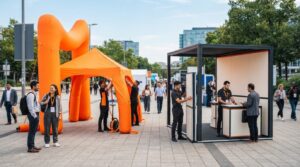
Modern engineering has taken portability even further with air-filled structures. These aren’t the bouncy houses of the past; they are sophisticated, high-pressure branding tools. Modern TPU and polyester materials ensure that custom inflatables maintain their shape and professional finish for the duration of your event. The “deflate and disappear” advantage is unmatched. A massive branded pillar or a unique booth structure can collapse into a size that fits comfortably in a backpack or a small office drawer, making them the ultimate choice for brands with zero warehouse space.
Comparing Compact Display Categories for Maximum Efficiency
Choosing the right equipment requires a deep understanding of the storage-to-display ratio. You want the maximum visual impact per cubic inch of stored space. While we’ve explored the material science behind these assets, it’s vital to compare how different categories perform in the real world. Fabric backwalls have become the industry standard for 10×10 booths because they provide a massive, seamless canvas that disappears into a single carrying case. They offer a cleaner look than traditional rigid-frame systems while weighing significantly less, making them the primary choice for compact trade show displays for easy storage.
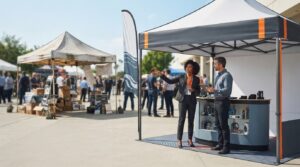
For outdoor events or high-traffic indoor lobbies, custom event tents offer a unique logistical miracle. A full 10×10 branded canopy, which provides shade and 360-degree branding, collapses into a single rolling bag that fits in most SUVs. When you supplement these larger pieces with banner stands and pop-up signs, you create a layered, professional environment without the need for a dedicated warehouse. Custom flags are perhaps the most underrated vertical solution. They offer high-altitude visibility to guide attendees to your space, yet their poles and fabric skins take up almost zero floor-space storage when the show is over.
The strategic advantage here is the ability to own the space without being owned by the equipment. By selecting assets that play well together, you can scale your presentation up or down based on the venue size, all while keeping your total equipment volume small enough to manage without a forklift.
The 10×10 Booth Storage Breakdown
When you’re planning your logistics, the packed dimensions are just as important as the assembled ones. A traditional pop-up frame often requires a large, hard-shell shipping case that might double as a podium. In contrast, a modern tension fabric wall often packs down into a soft-sided bag the size of a large suitcase. These fabric systems are much more likely to fit into a standard sedan trunk, giving your team the freedom to travel without renting a van. For a deeper look at how to coordinate these elements, check out our guide on Custom Trade Show Displays.
Table Cloths and Soft Signage: The “Zero-Space” Essentials
Branded table cloths are the ultimate “zero-space” assets, offering the highest branding-per-square-inch efficiency in your kit. They fold flat, weigh next to nothing, and can instantly transform a generic rented table into a professional touchpoint. By combining these with hanging signs, you can “own the air” above your booth. Hanging signs provide massive visibility from across the hall but don’t add a single pound to your floor-level storage burden. This strategic layering allows you to create a “big booth” feel using only highly portable, lightweight components.
How to Store and Maintain Your Compact Displays: A Step-by-Step Guide
The true endurance of your brand presence is determined in the weeks between events. While compact trade show displays for easy storage offer incredible logistical freedom, their longevity depends on a disciplined maintenance routine. You shouldn’t just shove your assets into a bag and hope for the best. Instead, adopt the “Clean Before Collapse” rule. Even microscopic dust or floor debris can act like sandpaper when fabric is compressed, leading to graphic abrasion that dulls your visual impact. A quick wipe-down of the frame and a light vacuuming of the fabric base ensures your investment stays sharp and professional.
Technical handling of your graphics makes a massive difference in how they look during the next setup. For most tension fabrics, rolling is superior to folding. Folding creates “set” wrinkles that can be stubborn to remove, even with a high-powered steamer. If storage space forces you to fold, use a soft “Z” pattern and avoid placing heavy objects on top of the bag. This attention to detail preserves that drum-tight, premium look that defines high-end creative consultancy work.
Environmental factors are equally critical. Humidity is a silent enemy of stored hardware. Storing your gear in a damp basement or an unconditioned garage can lead to oxidation on aluminum connectors or mildew on polyester fibers. Aim for a climate-controlled environment to keep your gear in peak condition. To stay organized, use clear labeling on every case. This simple step prevents the frantic search for specific components when you’re preparing for a back-to-back show schedule.
Before you commit an asset to the closet, run through a quick post-show inspection checklist:
- Wipe down all aluminum frame components with a clean microfiber cloth.
- Verify that all locking pins, feet, and connectors are present and functional.
- Inspect fabric graphics for snags, stains, or loose threads that need repair.
- Ensure all lighting cables are coiled neatly without tight kinks.
Protecting Your Visual Assets
Dye-sublimated graphics are incredibly durable, but they aren’t invincible. To prevent ink transfer, often called ghosting, store your graphics in archival-safe bags. This prevents the pigment from migrating between layers of fabric during long periods of downtime. If you notice slight fading after months of storage, it’s often just settled dust; a gentle wash can usually restore the original vibrancy and precision of the print.
Hardware Longevity Strategies
Your accordion frames and telescopic poles rely on smooth mechanical action to remain effective. A light application of dry silicone lubricant on joints once a year prevents sticking and reduces wear on connectors. This proactive approach ensures your compact trade show displays for easy storage remain reliable assets for every journey. While soft bags are excellent for local travel, consider upgrading to a dedicated hard-shell case for long-term storage or air travel. If you’re ready to upgrade your current kit to something more durable, explore our custom fabrication options to see how we prioritize both impact and endurance.
Zodiac’s Vision: High-Impact Branding with a Small Footprint
At Zodiac Event Displays, we believe your brand’s reach shouldn’t be limited by the square footage of your office closet. We’ve spent over a decade in Denver refining a boutique approach that treats every client as a partner in visual excellence. Our mission is to provide logistically smart branding that allows you to dominate the show floor without the burden of massive overhead. By choosing compact trade show displays for easy storage, you’re investing in a system that respects both your physical space and your marketing schedule. We don’t just act as a vendor; we function as a creative consultancy dedicated to your long-term visibility.
Our Event Display Fabrication process is built on a foundation of durability and strategic growth. We don’t just print graphics; we engineer assets that survive the rigors of the global trade show circuit. Whether you’re exhibiting at a local convention or across the ocean, our global delivery capabilities ensure your high-impact signage arrives on time and in pristine condition. We invite you to join us for a strategy session to optimize your 2026 event calendar logistics, moving beyond the transactional to a truly collaborative partnership that prioritizes your peace of mind.
Beyond the Box: Custom Solutions for Unique Spaces
We design modular assets built to grow alongside your brand. This flexibility is essential for companies that need to transition from a small regional setup to a major international presence without starting from scratch. For example, we’ve helped startups design full 20ft booth configurations that collapse down small enough to store in a standard 4ft supply closet. This level of efficiency is only possible when you work with a partner who understands the material science of soft signage and the practicalities of storage-optimized hardware. Our Denver-based team combines this technical expertise with a global reach, ensuring your message remains consistent regardless of the venue size.
Your Next Step Toward Stress-Free Exhibiting
The difference between a stressful show and a successful one is often found in the early planning phase. A professional design consultation allows us to look at your booth logistics from every angle, ensuring your equipment is as easy to store as it is to set up. When you request a quote from us, we prioritize hardware specifically engineered for portability and long-term resilience. It’s time to take control of your event inventory and stop letting bulky crates dictate your marketing strategy. Connect with a Zodiac Specialist today to start designing a presentation that fits your vision and your storage space perfectly.
Elevate Your Exhibiting Strategy for 2026
The shift toward logistical agility is no longer just a trend; it’s a strategic necessity for brands that value precision and performance. We’ve explored how tension fabric and collapsible engineering have revolutionized the show floor, allowing massive visual impact to fit into minimal physical footprints. By prioritizing compact trade show displays for easy storage, you’re reclaiming your marketing budget from warehouse fees and drayage costs. This isn’t just about saving space. It’s about empowering your team to show up with confidence, knowing their assets are protected and ready for rapid deployment.
With over a decade of Denver-based expertise, Zodiac Event Displays stands as your dedicated ally in high-impact soft signage. We specialize in custom fabrication tailored to your specific logistics, ensuring your brand’s vision never outgrows your storage capacity. Don’t let bulky equipment dictate your event schedule. It’s time to embrace a more streamlined, sophisticated approach to professional growth and visual excellence.
Ready to downsize your logistics and upsize your impact? Contact Zodiac Event Displays today.
Frequently Asked Questions
What is the most compact type of trade show display available?
Inflatables and banner stands are the most space-efficient assets you can own. A high-impact inflatable structure can deflate to fit inside a standard backpack, while a retractable banner stand occupies a slim, cylindrical footprint. These solutions provide the highest ratio of visual scale to packed volume. They are perfect for exhibitors who travel frequently and need to maximize every inch of available space.
Can I store my fabric displays in a non-climate-controlled garage?
You should avoid storing your assets in environments without climate control. High humidity levels can lead to metal oxidation on frame connectors and potential mildew growth on polyester fibers. Extreme temperature fluctuations might also cause some materials to become brittle over time. To protect your investment, keep your compact trade show displays for easy storage in a dry, room-temperature area like an office closet.
How do I remove wrinkles from a tension fabric display after storage?
Most wrinkles vanish naturally once the fabric is stretched over the frame. The tensioning system is designed to pull the material taut, smoothing out minor fold lines within minutes. For more persistent creases, a handheld fabric steamer is the most effective tool. Never use a traditional iron directly on the graphic, as the high heat can damage the dye-sublimated fibers and affect the print’s vibrancy.
Do compact trade show displays require more than one person to set up?
Most modern compact displays are engineered for effortless, one-person assembly. Tension fabric walls and pop-up signs utilize tool-free connectors and lightweight components that a single team member can manage. This independence is a core benefit of choosing compact trade show displays for easy storage. It eliminates the need for expensive union labor or a large setup crew, allowing your lead strategist to handle the entire presentation solo.
Are inflatable trade show displays durable enough for multiple years of use?
Yes, modern inflatables are built with professional-grade TPU and reinforced polyester for years of repeated use. These materials are chosen for their puncture resistance and ability to maintain high internal pressure throughout a multi-day event. When handled with the care we’ve discussed, such as cleaning before deflation, these structures serve as durable, high-impact pillars of your marketing kit for many show cycles.
How much space does a standard 10×10 fabric backwall take up when packed?
A standard 10×10 tension fabric backwall typically packs into a single rolling bag measuring roughly 12 by 12 by 36 inches. This compact profile allows the display to fit comfortably in the trunk of a standard sedan or a small office storage cabinet. It’s a massive improvement over traditional rigid panels, which often require oversized hard cases and specialized freight handling just to move between venues.
What is the best way to ship compact displays to international events?
Hard-shell shipping cases are the gold standard for international logistics. While soft bags are great for local travel, the rigors of global freight require the structural integrity of a molded plastic case. These cases protect your frames from impact and moisture while keeping the total weight low enough to avoid the excessive surcharges often associated with heavy, wooden crates used for traditional exhibits.
Can I update the graphics on my compact display without buying new hardware?
You can absolutely refresh your branding without reinvesting in new hardware. One of the greatest advantages of tension fabric systems is the ability to swap out the “skin” or graphic cover while keeping the original aluminum frame. This makes it simple to update your messaging for different audiences or new product launches, ensuring your display remains a versatile and cost-effective asset for your evolving brand.

 Previous reading