


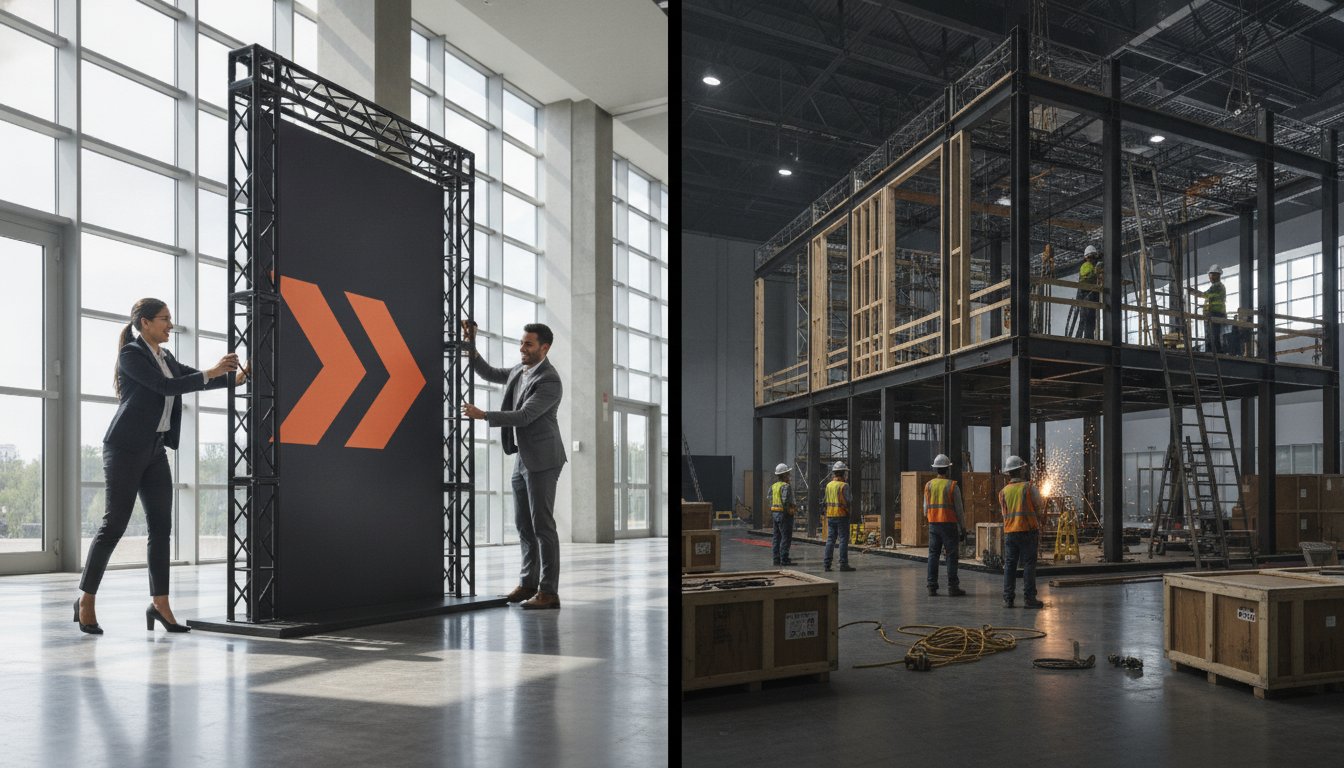
What if the massive, custom-built booth you thought signaled market dominance is actually the primary anchor dragging down your 2026 marketing ROI? As you plan your upcoming event calendar, the debate of nomadic display vs classic exhibits is no longer just about aesthetics. It’s a high-stakes calculation of operational agility versus visual gravity. You want a presence that commands the floor without being held hostage by skyrocketing drayage fees that now range from $60 to $180 per hundredweight at major U.S. venues.
We know the sting of watching a marketing budget vanish into shipping crates and complex union labor setups before a single lead even walks through the door. You deserve a presentation that reflects your brand’s excellence while maintaining a lean, strategic edge. This guide promises to reveal the critical differences between portable nomadic systems and the high-impact legacy of classic exhibits, helping you determine which investment truly drives your growth. We’ll explore a clear framework for choosing your hardware based on show frequency, hidden logistical costs, and the specific visual power required to win your industry’s biggest stages.
Key Takeaways
- Master the distinction between tool-free nomadic portability and the architectural dominance of classic exhibits to align your hardware with your brand’s 2026 vision.
- Navigate the nomadic display vs classic exhibits debate by evaluating how show frequency and back-to-back schedules impact your operational ease and long-term ROI.
- Uncover the hidden costs of trade show logistics, from weight-based drayage fees to specialized freight, to ensure your budget supports visual impact rather than just shipping crates.
- Learn how to leverage global delivery and professional asset management to maintain a consistent, high-impact presence from Denver to international event floors.
- Shift your perspective from hardware-first to strategy-first, utilizing a boutique agency approach that prioritizes creative excellence over standard equipment limitations.
Defining the Landscape: Nomadic Systems vs. Classic Exhibit Architecture
The trade show floor in 2026 is a high-velocity environment where every pound of hardware impacts your bottom line. To win, your procurement and logistics teams must master a specific language. Understanding the choice between a nomadic display vs classic exhibits isn’t just about picking a visual style; it’s a strategic decision that dictates your freight costs and setup speed. We see this choice as the essential foundation of your event’s long-term success.
A nomadic display is defined by its agility. These are the portable, pop-up, and tool-free systems that empower your team to move fast. Built on modular design principles, they prioritize ease of transport without sacrificing visual excellence. Think high-tension backwall displays and pop up signs that expand from a single wheeled case into a full brand experience. They’re the agile warriors of the event circuit, designed for brands that value speed and flexibility.
Classic exhibits represent the architectural weight of your brand. These systems utilize rigid extrusions and custom-modular components to build permanent-feeling environments. They offer the scale needed for massive hanging signs or private meeting rooms. However, this impact comes with a significant logistical footprint. Terminology is vital here; your teams need to know if they’re handling a “pop-up” or a “crate” to avoid surprise surcharges. In 2026, drayage fees at major U.S. venues range from $60 to $180 per hundredweight, making the weight of your architecture a primary budget consideration.
The Core Characteristics of Nomadic Design
These systems celebrate the “un-heavy.” By utilizing advanced materials like carbon fiber and lightweight aluminum, nomadic displays reduce the physical burden on your staff. They’re engineered for tool-free assembly, allowing a small crew to transform a blank space into a branded environment in minutes. Because they condense into compact, wheeled cases, they frequently bypass the heavy material handling fees that plague heavier alternatives. This makes them ideal for back-to-back event schedules where every hour of labor counts.
The Pillars of Classic Exhibit Construction
Classic exhibits are built for endurance and intricate detail. They excel in high-traffic environments where structural integrity is paramount. These rigs support integrated technology, heavy shelving, and complex lighting arrays that lighter systems simply cannot support. While they demand more investment in setup and shipping, they provide a sense of permanence and prestige that defines market leaders. They’re designed for multi-year durability, acting as a reliable home base for your brand’s most important annual gatherings.
The Strategic Comparison: Portability and Speed vs. Structural Brand Presence
Choosing between a nomadic display vs classic exhibits is a balancing act between agility and authority. While one offers the speed of a sprinter, the other provides the gravitational pull of a landmark. Your decision depends on whether you need to move fast across multiple cities or stand tall as the undisputed leader of a single hall. Visual impact is often the first casualty of poor planning. Classic exhibits own the floor through sheer verticality and sophisticated lighting arrays that nomadic systems can’t always support. They utilize rigid extrusions to create infinite possibilities, from private meeting rooms to recessed AV walls that feel like permanent architecture.
Smart strategists in 2026 are moving beyond this binary choice by exploring hybridization. You don’t have to settle for one or the other. Many brands now use a classic structural core for height and stability while surrounding it with nomadic fabric elements for easy-to-update messaging. This sophisticated approach aligns with the professional standards championed by the Experiential Designers and Producers Association. It ensures your presentation remains polished while allowing for the flexibility that modern event calendars demand. If you’re looking to find that perfect middle ground, you can consult with our design team to build a custom solution.
When Nomadic is the Clear Winner
Nomadic systems are the champions of the 10×10 inline space and small-scale regional circuits. They’re designed for teams that need to maximize visibility without a massive on-site labor budget. These displays can often be assembled by a single person in under thirty minutes, making them perfect for back-to-back schedules. For high-frequency, small-scale event tours, the nomadic ROI is superior because it slashes recurring operational expenses while maintaining a vibrant, professional aesthetic that avoids the “cheap” look of low-quality alternatives.
When Classic Exhibits are Non-Negotiable
If your 2026 strategy involves island footprints or spaces 20×20 and larger, classic exhibits are essential. They provide the structural integrity required to support heavy product displays or massive hanging signs that act as a beacon for attendees. These materials offer the rigid, high-end finish necessary for large format event signage that remains crisp and perfectly aligned throughout the show. While they require more logistics, the durability of these systems allows them to survive 20 or more high-traffic shows per year with minimal wear.
Calculating the Real ROI: Total Cost of Ownership Beyond the Initial Quote
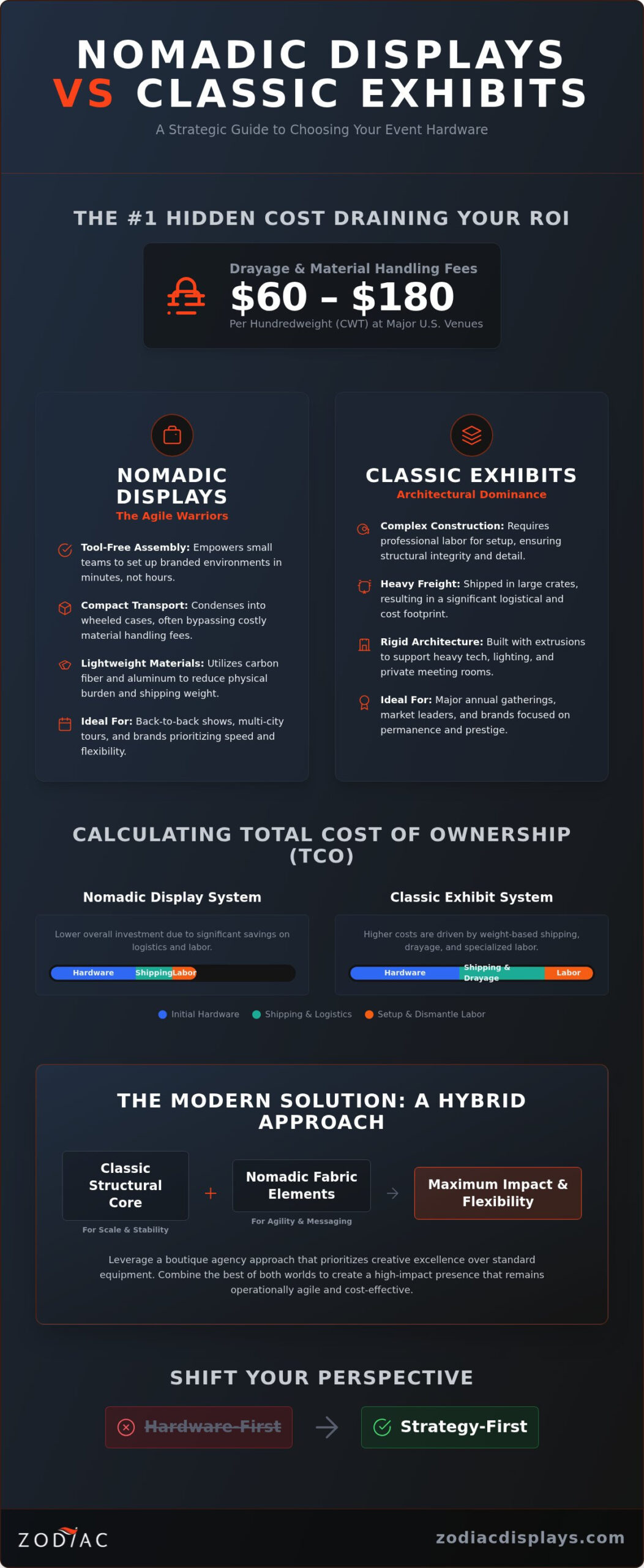
The sticker price on your exhibit quote is often a deceptive figure. To understand the true financial impact of a nomadic display vs classic exhibits, you have to look at the Total Cost of Ownership (TCO) across a full event cycle. Drayage is the silent budget killer in this equation. With material handling fees at major U.S. venues now ranging from $60 to $180 per hundredweight, the physical mass of your booth becomes its most expensive attribute. A heavy, extrusion-based classic system might look magnificent, but you’ll pay for that weight every time it touches a forklift.
Logistics expenses extend far beyond the show floor. Shipping a nomadic system often involves “UPS-ready” cases that bypass expensive Less-Than-Truckload (LTL) freight requirements. In contrast, classic exhibits typically travel in heavy crates that demand specialized handling and climate-controlled storage. Academic research on trade show design strategy suggests that modularity isn’t just a cost-saving measure; it’s a psychological tool that influences how attendees perceive brand agility. When you factor in Installation and Dismantle (I&D) labor, which averages $150 per hour for union crews, the “savings” of a complex custom build can quickly evaporate.
The Nomadic Savings Profile
Nomadic systems are engineered to protect your marketing margins. They prioritize operational efficiency without sacrificing the visual vibrancy your brand demands. By choosing a lighter, tool-free architecture, you’re investing in a system that pays dividends through reduced recurring costs.
- Labor Independence: Most nomadic setups are DIY-friendly, eliminating the need for third-party union crews.
- Freight Efficiency: Reduce your shipping costs by up to 60% by utilizing standard courier services instead of dedicated freight lines.
- Storage Optimization: Compact footprints mean lower monthly warehouse fees during the off-season.
The Classic Investment Justification
While the initial capital expenditure for a classic exhibit is higher, the structural lifespan often justifies the price tag for market leaders. This is the “Brand Tax” that pays off in high-value lead generation. These systems provide a level of architectural polish that signals stability and scale to your most important prospects.
- Structural Longevity: Heavy-duty extrusions are built to withstand the rigors of the road for five to seven years.
- Graphic Flexibility: Utilize modular frames that allow for inexpensive custom trade show graphics updates without replacing the core hardware.
- High-End Finishes: Support rigid panels, heavy AV equipment, and integrated lighting that lighter systems can’t accommodate.
Logistics and Longevity: Managing Your Assets Show After Show
Your event strategy is only as strong as your ability to move it. In the global circuit, managing the transition of a nomadic display vs classic exhibits requires more than just a shipping label; it demands a visionary approach to asset management. Whether your booth is traveling from our Denver hub to a high-stakes summit in Dubai or a local expo, the endurance of your hardware is tested by every mile. Refurbishment is the secret to longevity. High-performing brands know exactly when to refresh high-impact fabric graphics while retaining the core structural investment of their frames, ensuring the presentation remains as vibrant as the day it was first unveiled.
Sustainability has also shifted the decision-making process for the modern exhibitor. The rise of eco-friendly trade show displays is proving that you don’t have to choose between a green footprint and a premium look. Recycled aluminum frames and biodegradable tension fabrics are now available for both portable and permanent architectures. This allows your brand to lead with purpose, aligning your physical presence with your corporate responsibility goals without sacrificing the visual excellence that attracts high-value leads.
Setup and Dismantle: The Stress Factor
The moments before the show floor opens are often the most volatile. A nomadic system offers a significant psychological advantage, allowing your internal team to execute a 15-minute setup with zero tools and zero union intervention. Conversely, classic exhibits demand an orchestrated dance of freight arrivals and professional labor. The ‘Nomadic Stress Gap’ represents the mental freedom gained when your marketing team isn’t tethered to a complex installation schedule, allowing them to focus entirely on attendee engagement and lead qualification.
Fabric vs. Rigid: The Graphic Longevity Battle
In 2026, tension fabric has become the gold standard for both system types. It’s lightweight, wrinkle-resistant, and remarkably durable. Protecting these assets during transit is where the strategies diverge:
- Nomadic Protection: These systems thrive in molded plastic cases that fit in standard couriers, protecting fabric from snags and hardware from bending.
- Classic Security: Rigid panels and heavy extrusions require heavy-duty timber crates to prevent corner damage and surface scratches during LTL transport.
- Messaging Agility: Fabric allows for rapid messaging updates, ensuring your brand story evolves as quickly as your market without the need to replace entire structural panels.
If you’re ready to streamline your international tour and maximize the life of your display assets, connect with our logistics experts today for a comprehensive asset management plan.
Beyond the Label: Why a Boutique Agency Approach Offers the Best of Both Worlds
The debate of nomadic display vs classic exhibits often ends in a stalemate because most providers are incentivized to sell you their specific inventory. At Zodiac Event Displays, we believe your hardware should never dictate your marketing strategy. Instead, we act as a visionary ally, prioritizing visual impact and strategic growth over a specific product line. By adopting a boutique agency approach, we bridge the gap between the speed of portable systems and the architectural authority of custom builds. We often recommend hybrid solutions that utilize the structural strength of classic extrusions paired with the vibrancy of nomadic fabric backwalls to create a presence that is both commanding and cost-effective.
Our Denver-based team functions as a dedicated extension of your creative department. While we maintain the personalized attention of a specialized consultancy, our reach is global. We manage the entire journey from initial concept to delivery on international show floors, ensuring your brand arrives with precision and flair. This partnership ensures you aren’t just buying a booth; you’re investing in a well-paced journey toward a measurable goal. By focusing on quality and exceeding standard requirements, we create an atmosphere of reliability that allows your team to focus on what matters most: connecting with your audience.
Creative Design as the Great Equalizer
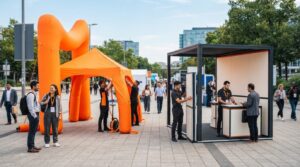
Strategic design can make a lightweight nomadic display look like a heavy, custom classic build. Through the use of high-resolution, tensioned graphics and deliberate lighting, we create depth and scale where others see only a flat surface. One of our most effective strategies for adding “classic” presence to a nomadic footprint is the integration of custom inflatables. These bespoke assets provide massive visual scale and unique silhouettes that traditional hardware cannot achieve, all while packing down into a fraction of the space required for rigid panels. This creates a vibrant, high-energy atmosphere that commands attention from across the hall.
Your Path to a High-Impact 2026
Success on the 2026 event circuit requires a deliberate, methodical approach. We guide you through a proven process designed to maximize your visibility and minimize operational stress:
- Consultation: We begin by identifying your event frequency, target audience, and ROI goals to determine the ideal hardware mix.
- Fabrication: Our team brings your vision to life using premium materials that exceed standard industry requirements for durability and finish.
- Execution: We handle the logistics of global delivery, ensuring your brand assets are event-ready and perfectly presented the moment you arrive.
If you’re ready to transcend the limitations of standard hardware and design your next breakthrough presentation, contact the experts at Zodiac Event Displays to start your strategic journey today.
Master Your 2026 Event Strategy
The choice between a nomadic display vs classic exhibits is ultimately a decision about how your brand moves through the world. You’ve seen how nomadic systems offer unparalleled agility for high-frequency tours, while classic exhibits provide the architectural gravity needed for major industry summits. Success doesn’t come from the hardware alone. It comes from a strategic understanding of your total cost of ownership and a commitment to visual excellence that won’t compromise on quality.
At Zodiac Event Displays, we act as your visionary ally, bringing over a decade of high-impact event success to your creative team. Our boutique Denver-based design expertise ensures that your vision is never limited by standard catalog options. With end-to-end fabrication and global delivery, we handle the complexities of the road so you can focus on the pride of a flawless presentation. It’s time to build a presence that captures attention and drives growth.
Elevate your brand presence; explore our custom event displays today. We’re ready to help you win the floor.
Frequently Asked Questions
What is the primary difference between Nomadic and Classic displays?
The primary difference between nomadic display vs classic exhibits lies in their structural weight and assembly requirements. Nomadic systems prioritize portability with tool-free, lightweight frames that fit in standard cases. Classic exhibits utilize rigid extrusions and custom-modular components to create permanent-feeling architecture. While nomadic displays offer speed for small teams, classic systems provide the structural integrity needed for massive hanging signs and integrated technology.
Can a Nomadic display be used for a 20×20 island booth?
You can use nomadic components for a 20×20 island booth by scaling multiple modular units together. This approach maintains the portability of individual pieces while creating a cohesive, large-format presence. Many brands prefer a hybrid approach for island footprints of this size. This ensures the booth has the necessary vertical height and structural strength to support a hanging sign without losing the operational ease of portable backwalls.
How much does the average classic exhibit cost to ship compared to nomadic?
Shipping costs for nomadic systems are typically 40% to 60% lower because they often qualify for standard courier services like UPS or FedEx. Classic exhibits generally require Less-Than-Truckload (LTL) freight due to their heavy crates and rigid panels. Since drayage fees at major venues are calculated by weight, the lighter nomadic hardware results in significant savings across every stage of the logistics process.
Do I need professional labor to set up a Nomadic display?
Professional labor is generally not required for nomadic displays, as they’re designed for DIY assembly by one or two people. Most systems feature self-locking frames or simple push-fit connections that don’t require tools. This independence allows marketing teams to bypass expensive union labor fees, which can average $150 per hour. It’s an ideal solution for brands looking to maximize their on-site budget for attendee engagement.
Which display style is more sustainable for long-term use?
Modular nomadic systems are often more sustainable because their lightweight nature reduces the carbon footprint associated with shipping and drayage. High-quality aluminum frames are infinitely recyclable, and modern tension fabrics are frequently made from recycled polymers. While classic exhibits are built for multi-year durability, the energy required to transport their heavier components makes nomadic architecture the more eco-conscious choice for high-frequency event calendars.
Can I mix Nomadic components with a Classic exhibit structure?
Mixing nomadic display vs classic exhibits is an increasingly popular hybrid strategy for 2026. You can use a classic structural core to provide height and support for heavy AV equipment while surrounding it with nomadic fabric elements for easy messaging updates. This combination offers the architectural authority of a custom build with the flexibility to refresh your brand story without investing in entirely new hardware.
What is the typical lifespan of a high-quality fabric backwall?
A high-quality fabric backwall typically lasts between five and seven years if handled with proper care. The tension fabrics used today are wrinkle-resistant and can be machine-washed to maintain their vibrancy. While the graphics might eventually need an update to reflect new messaging, the underlying hardware remains a long-term asset. Using molded cases for transit is the best way to prevent snags and ensure the fabric stays show-ready.
How does Zodiac Event Displays help in choosing between these two styles?
Zodiac Event Displays acts as a strategic partner, helping you navigate the choice between nomadic and classic styles based on your specific event frequency. We don’t just sell hardware; we provide a boutique design approach that prioritizes visual excellence. From end-to-end fabrication to global delivery, our Denver-based team manages every detail. We ensure your brand assets achieve maximum impact while fitting perfectly within your operational and budgetary requirements.
 Previous reading