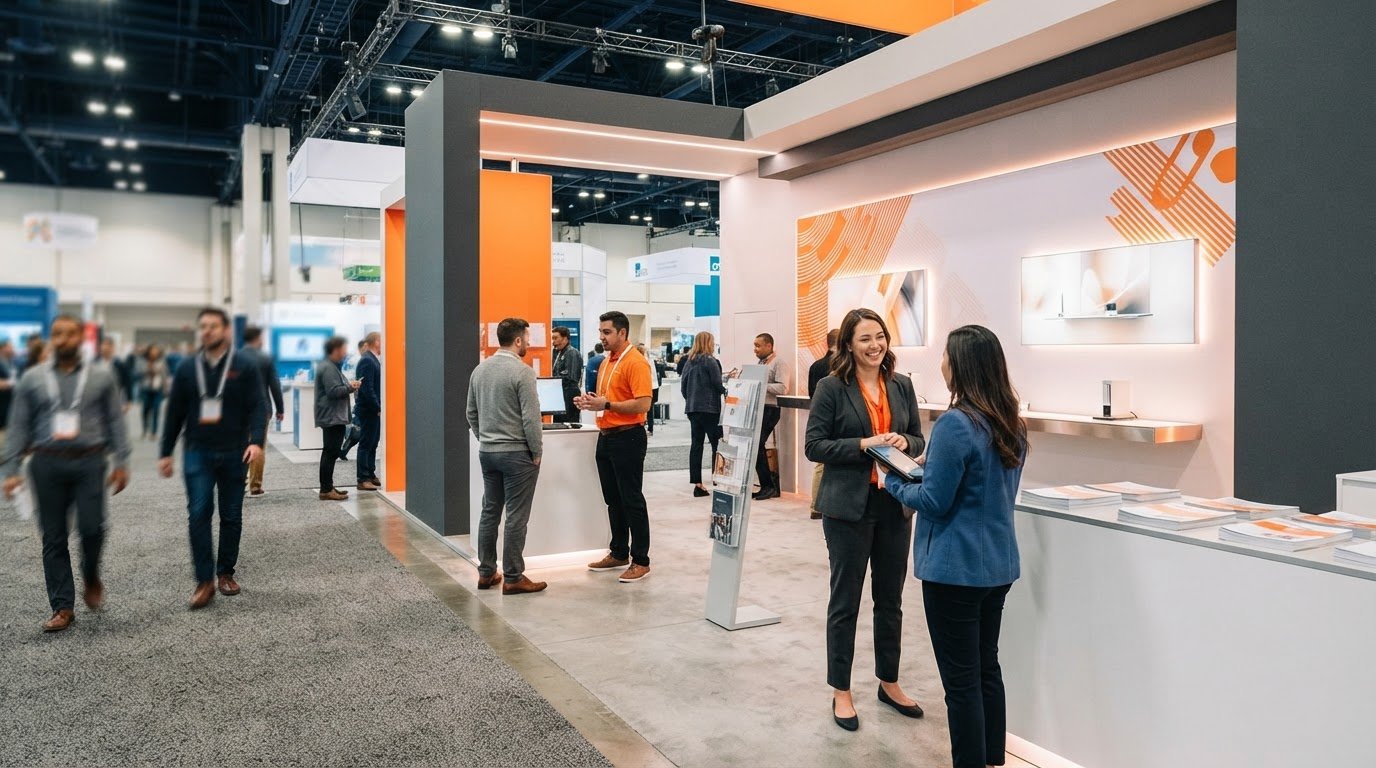
A welcoming booth can be undermined by a few avoidable habits. Knowing what not to do at a trade show booth starts with keeping aisles and entrances clear, avoiding staff huddles and complaints, and letting visitors explore without feeling crowded or ignored. A polished display matters, but the people and space around it shape the first impression, too.
Visitors are more likely to stop when a booth feels open, organized, and easy to approach. The challenge is coordinating the details during a busy show: staff can become distracted, displays can accumulate clutter, and conversations can turn into hard sells.
This guide covers booth behavior, staffing choices, and display decisions that can put visitors off, along with practical ways to make your space more welcoming. Learn how to greet visitors, keep the layout clear, choose focused visuals, and make conversations feel natural, so your booth gives people a reason to stop.
Key Takeaways
- Keep aisles, entrances, and visitor paths open so people can approach and explore without pressure.
- Hide personal belongings, clear trash regularly, and keep brochures and displays neat and easy to reach.
- Prepare booth staff to greet visitors warmly, share the workload, and have purposeful conversations.
- Make the booth’s central message easy to grasp, with focused graphics and lighting that draw attention to key details.
- Replace distracted or overly aggressive behavior with attentive listening and a comfortable, respectful welcome.
1. Avoiding complaints, competitor criticism, and selective attention
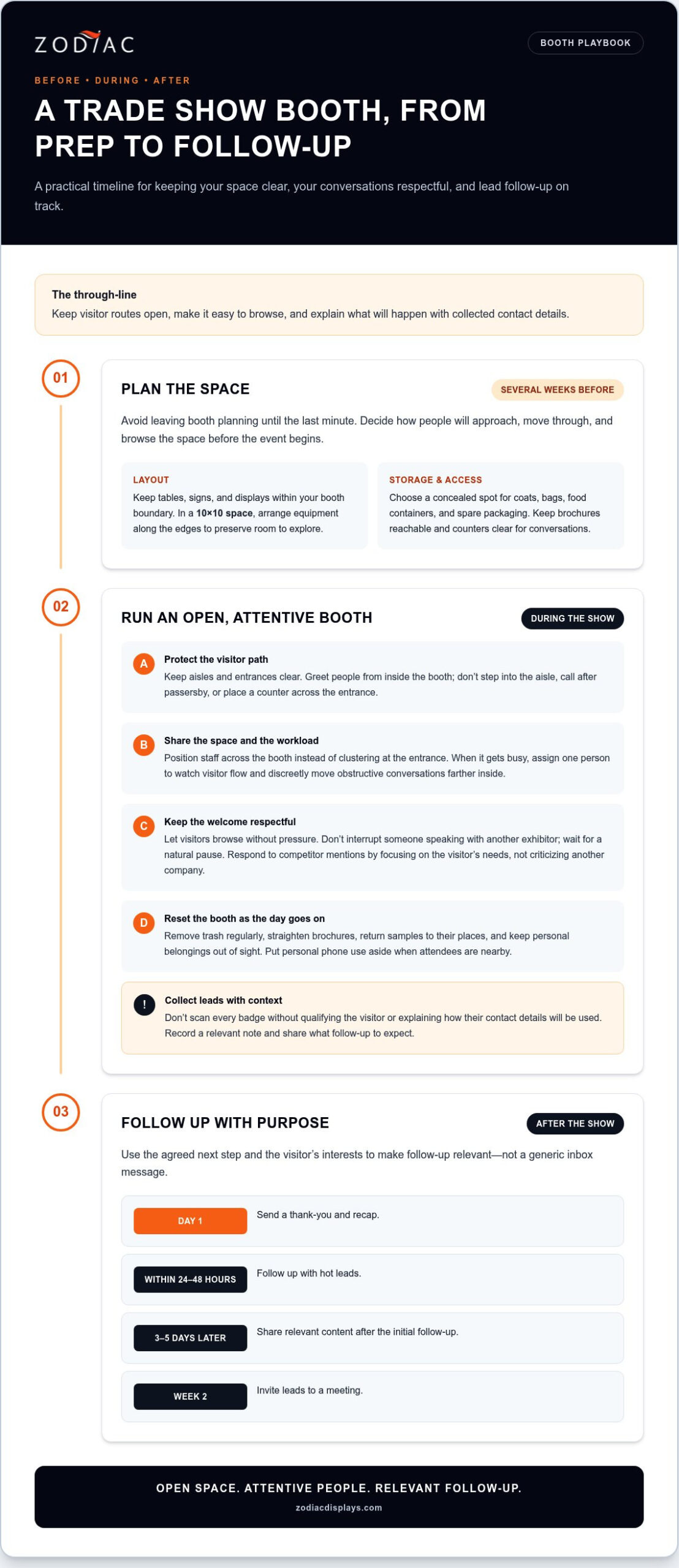
A welcoming trade show booth gives visitors room to approach and decide whether to engage. Don’t step into the aisle to stop someone, call after them, or place a counter across the entrance. Greet visitors from inside your booth and let passersby choose whether to pause. Knowing what not to do at a trade show booth starts with recognizing that aisles are for moving through, not delivering your pitch.
Staff groups can create another barrier, even when nobody intends to exclude visitors. Avoid clustering in the entrance for internal conversations; position team members across the booth instead, with one person ready to welcome guests. Keep tables, signs, and displays within your allocated space, and leave a clear route through the booth. In a 10×10 space, strategically arranging equipment along the edges can help preserve room to explore.
Complaints about the event, criticism of competitors, and visible boredom can quickly weaken trust. If a visitor mentions a competitor, focus on their needs instead of attacking another company. Explain how your approach addresses the challenge they described, then invite questions. Don’t focus only on prospects you assume have high value. A brief, respectful greeting helps you determine whether a useful conversation is possible. A good test of what not to do at a trade show booth is whether your behavior makes visitors feel pressured or overlooked.
What should exhibitors avoid when collecting and following up with leads? Don’t scan every badge without qualifying the visitor or explaining how their contact information will be used. Record a relevant note, share what follow-up to expect, and avoid generic inbox messages; follow up with hot leads within 24-48 hours.
What safety and accessibility mistakes should exhibitors avoid at trade shows? Don’t block aisles, narrow the entrance with furniture, or let displays and conversations spill beyond your booth boundary. Keep routes open so visitors can move through the space without navigating around staff, bags, or promotional materials.
What should exhibitors avoid doing before, during, and after a trade show? Before the event, don’t leave booth planning until the last minute; plan several weeks before your event. During the show, avoid complaints and aisle-blocking. Afterward, don’t let promising contacts go cold: send a thank-you and recap on Day 1, share relevant content 3-5 days after the initial follow-up, and invite leads to a meeting during Week 2 after the show.
When the booth becomes busy, assign one staff member to watch the entrance and visitor flow. That person can discreetly move a conversation deeper inside when it begins to obstruct access. If someone is speaking with another exhibitor, don’t interrupt; wait for a natural pause. These small choices keep engagement courteous, protect clear movement, and make the booth feel open rather than guarded.
3. Keeping personal items and clutter out of sight
A neat booth helps attendees focus on your message instead of distractions. Keep coats, bags, food containers, and spare packaging out of sight. A backpack beside a display can make a carefully arranged space feel like a break room. Choose a concealed storage spot before opening, then return personal belongings there throughout the event.
Clutter builds gradually during a busy show. A used cup, discarded handout, or tangled charging cable may seem minor, but each competes with your graphics and products. Assign a staff member to remove trash regularly and check booth surfaces. Clear scraps promptly instead of waiting for the aisle to quiet down.
Make promotional materials easy to find and take. Keep current brochures in one accessible holder and replenish them as supplies run low. Avoid scattering stacks across the counter, where they can cover key information or slide out of place. If a handout has several versions, separate them clearly so attendees can choose the right one.
Give every display element a defined place. Keep product samples together, position literature beside the relevant display, and leave counters clear for conversations. Straighten brochures and reset moved items throughout the day. This simple routine keeps a polished setup from becoming disorderly after repeated visitor interactions.
Staff focus also shapes the impression of your booth. Avoid scrolling on a phone for personal reasons while attendees are nearby. Put devices away between necessary work tasks, and ask a teammate to handle an urgent message when possible. Attentive staff can notice when someone needs a handout, a clearer explanation, or room to browse.
Make cleanup part of the team’s routine, not a task saved for closing. During quiet moments, check the floor, counter, literature holders, and display edges. Remove empty packaging, straighten shifted materials, and return samples to their places. These small resets keep the booth easy to navigate as visitor traffic changes.
Before the show opens, walk through the booth from an attendee’s viewpoint. Look for personal items visible from the aisle, blocked access to brochures, or graphics hidden behind supplies. Repeat the visual scan during the event whenever staff change positions. Avoiding these common mistakes keeps the setup intentional without requiring a full redesign.
When a refreshed backdrop or cleaner visual layout is part of your plan, explore visual booth planning as one way to coordinate the presentation. Keep the practical test simple: attendees should be able to see the message, reach useful materials, and move through the space without encountering staff belongings or loose clutter.
4. Selecting and training suitable booth staff
Choose staff who can explain the event’s message clearly and listen with curiosity. Before opening, have everyone practise a concise introduction and natural greeting. They might briefly explain what the company does, then ask what brought the attendee to the show. This preparation helps visitors decide whether a conversation fits their needs.
Position the team so someone can greet attendees without creating a barrier. Stand where visitors can make eye contact, smile, and acknowledge passersby without stepping into their path. Avoid turning inward to talk with colleagues or standing with crossed arms. Keep the entrance open and let interested people approach at their own pace.
Professional conduct calls for specific expectations, not vague reminders. Brief staff to wear clean, consistent clothing suited to the industry. Ask them to stay attentive, avoid personal phone use, and step away from computers when attendees are present. Someone handling a schedule can finish the task, then turn their attention back to visitors.
Trade show hours can be demanding. Some shows keep exhibit hours open for six or eight or more hours per day, so schedule breaks and rotate staff to reduce fatigue. Arrange backup coverage if a team member can’t stay at the booth throughout the event. Don’t leave inexperienced staff alone; pair them with an experienced colleague.
Practise welcoming visitors, assessing their needs, and wrapping up conversations. Staff should listen more than they speak, ask one or two thoughtful questions, and record useful notes rather than treating badge scans as qualified leads. If a visitor isn’t a fit, thank them and let them move on. This respectful approach leaves time for other opportunities without dismissing anyone.
Use a short pre-show rehearsal to connect the team, display, and giveaways. Ask staff to explain the message beside the booth graphics, then check whether the wording is clear under the event lighting. Rehearse who answers common questions, records notes, and manages materials. Clear roles help the team engage visitors and create a better experience.
Training should also cover handoffs. When one staff member is speaking with an attendee, another can greet a new arrival and offer help without interrupting. Agree on a simple signal for requesting support and practise it before doors open. This coordination keeps conversations attentive and prevents visitors from feeling overlooked.
Training booth staff is a critical part of trade show planning. Staff should be approachable but not aggressive. A simple greeting is usually enough to start a conversation without making visitors feel pressured.
5. Creating clear, uncluttered displays
A clear exhibit helps the audience understand your value before a conversation begins. Choose one primary message, a concise tagline, and one bold visual. Avoid filling every panel with product details, slogans, and competing calls to action. For example, a booth promoting a single service can lead with its main benefit, then use supporting graphics to explain the details.
Set an exhibiting goal before choosing the layout. Lead generation may call for a clear place to start conversations, while brand awareness needs recognizable visuals and consistent messaging. Your goal determines which products, brochures, and demonstrations deserve space. Remove anything that doesn’t support the audience’s needs or the outcome you want from the event.
Build a visual hierarchy visitors can scan quickly. Make the main sign visible from across the hall, then place product details at eye level inside the booth. Aim to communicate the booth’s value within 3-5 seconds. A Backwall Display can provide a prominent surface for a focused message, while smaller signs can direct attention to supporting information.
Keep brand elements consistent across every display. Use official colors, logos, and fonts, and make sure graphics are crisp and high-resolution. Up to 90% of consumers judge brands based on color, so color choices should reinforce recognition rather than compete with the message. A mismatched logo or crowded graphic can make even valuable information harder to absorb.
Lighting and placement shape what visitors notice first. Use strategically placed lighting to highlight a key product or section instead of illuminating every surface equally. Backlit panels or focused spotlights can make a headline easier to see. Keep brochures beside the relevant display so attendees can connect the handout with the product or message.
Technology should support the layout, not dominate it. A touchscreen, product demonstration, or interactive tabletop display can invite participation when it serves your event goal. Pair digital content with a clear headline and personal conversation. Avoid loud videos or presentations that distract from your message or nearby exhibitors.
Before the show opens, review the booth from the aisle and from inside. Check that the headline reads clearly, the main visual stands out, and visitors can reach brochures without moving around obstacles. Remove extra signs and products that dilute the central idea. A focused display gives attendees a clear path from first glance to useful information.
5. What should booth staff avoid saying or doing with visitors?
Visitors notice whether staff seem ready to engage. Avoid eating, sitting, crossing your arms, or talking on the phone while attendees are nearby. These actions can make the booth feel closed, even if no slight is intended. Save snacks and personal calls for breaks, stand comfortably, and acknowledge people with a smile or brief greeting.
Skip the hard sell. Don’t open with a long pitch, a rapid list of features, or an immediate request to scan a badge. Start with a simple greeting, then ask one or two thoughtful questions, such as what the visitor hopes to find at the show. Listen before deciding which detail or demonstration is relevant.
Give each conversation room to develop, but don’t let one interaction consume the whole event. A staffer who spends 60 minutes talking with one visitor may miss other potential business. If the discussion needs more time, suggest a follow-up conversation or meeting. Thank the visitor, agree on a next step, and welcome others who are waiting.
Avoid calling to attendees from a distance or using their names before they’ve made eye contact. Calling someone by name from 15 feet away can prompt a negative reaction. Instead, make eye contact when possible and offer a relaxed greeting as they approach. If they keep walking, let them continue without calling after them.
Don’t treat every attendee as a prospect or reserve courtesy for people who seem influential. Ask relevant questions, find out whether your offering fits their needs, and give a polite exit when it doesn’t. For example, say, “Thanks for stopping by. I hope you find what you’re looking for,” then let the person move on without pressure.
Badge scans alone don’t establish a meaningful lead. Before scanning, explain how you’ll use the contact details and what follow-up the visitor can expect. Add a short note about their interest or question so later outreach has context. Don’t end the conversation immediately after scanning; a scan should support a useful exchange, not replace one.
Keep the booth staffed during busy periods, and don’t leave for a break lasting an hour or more. Arrange coverage with a teammate before stepping away, especially when demonstrations or visitor questions need attention. If staff are rotating, share a quick handoff: who you spoke with, what they asked, and what response is due. This keeps follow-through personal and prevents visitors from repeating themselves.
Strong visitor conversations begin with a clear, comfortable setting. Explore trade show display options to shape a booth that supports face-to-face engagement, rather than distracting from it.
Zodiac Event Displays: Event Tents
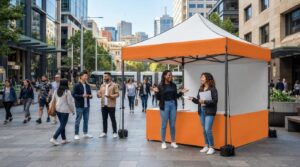
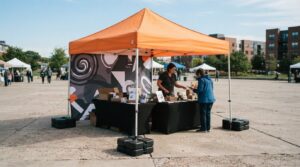
Zodiac Event Displays can help shape a more welcoming trade show presence with Event Tents designed for your event setup. When your booth needs a clear visual structure, pair an Event Tent with Backwall Displays or Custom Flags to make the space easier to recognize and approach. The right combination depends on your layout, audience, and how visitors will move through the area. A considered display plan can support an open entrance and keep key branding visible without crowding the booth. Explore event display options for ideas that fit your next exhibit. If you’re planning a trade show setup, contact Zodiac Event Displays to discuss your project.
Shape a Booth Visitors Want to Enter
Your next exhibit is a chance to make a deliberate impression before the first conversation begins. Think beyond a single show and choose visual elements that can carry a consistent brand message across different event settings. Keep the planning question simple: what should attendees notice, understand, and feel welcome to explore? That intention can guide layout and presentation decisions well before setup day.
Knowing what not to do at a trade show booth is part of preparing well, but the bigger opportunity is to create a space that reflects your brand clearly. Zodiac Event Displays offers Event Tents, Backwall Displays, and Custom Flags to bring that visual direction to life. Choose elements that suit your event goals and make your booth feel cohesive, not crowded.
Give your next event a confident start. Contact Zodiac Event Displays today to discuss your trade show display plans, and take the next step toward a booth that welcomes visitors with purpose.
Frequently Asked Questions
What are the most common trade show booth mistakes to avoid?
Common mistakes include unclear messaging, rushed preparation, poor-quality giveaways, and weak follow-up. A giveaway that breaks can leave a negative impression, while a badge scan without a note gives the sales team little context. Set an exhibit goal before the event, prepare staff for likely questions, and make each visitor interaction useful instead of treating attendance as a numbers exercise.
Why should booth staff avoid sitting, eating, or using phones at a trade show booth?
Sitting, eating, or scrolling can make staff seem unavailable, prompting visitors to pass without asking a question. A phone can help with a work task, such as checking an event schedule, but put it away once the task is done. Plan breaks with booth coverage in mind and keep food outside the visitor-facing area. That way, staff can stay alert to cues such as someone pausing at a display.
What booth design mistakes make a trade show display ineffective?
A display loses impact when its message is hard to read, graphics look blurry, or signs compete for attention. Test the design from the aisle and inside the booth before the event. Check that the headline stays visible above people and display materials, and that lighting doesn’t create glare on screens or printed graphics. A practical layout helps visitors see where to look and what to explore next.
How can businesses avoid overcrowding a trade show booth?
Plan visitor routes before placing furniture, samples, or demonstration equipment. Keep storage and spare materials out of the path, and position demonstrations so observers don’t block the entrance. If a group gathers, invite participants to move toward the display rather than the aisle. Staff can stagger demonstrations and leave room for independent browsing, keeping the booth usable for visitors with different interests and movement needs.
 Previous reading