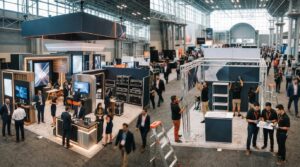



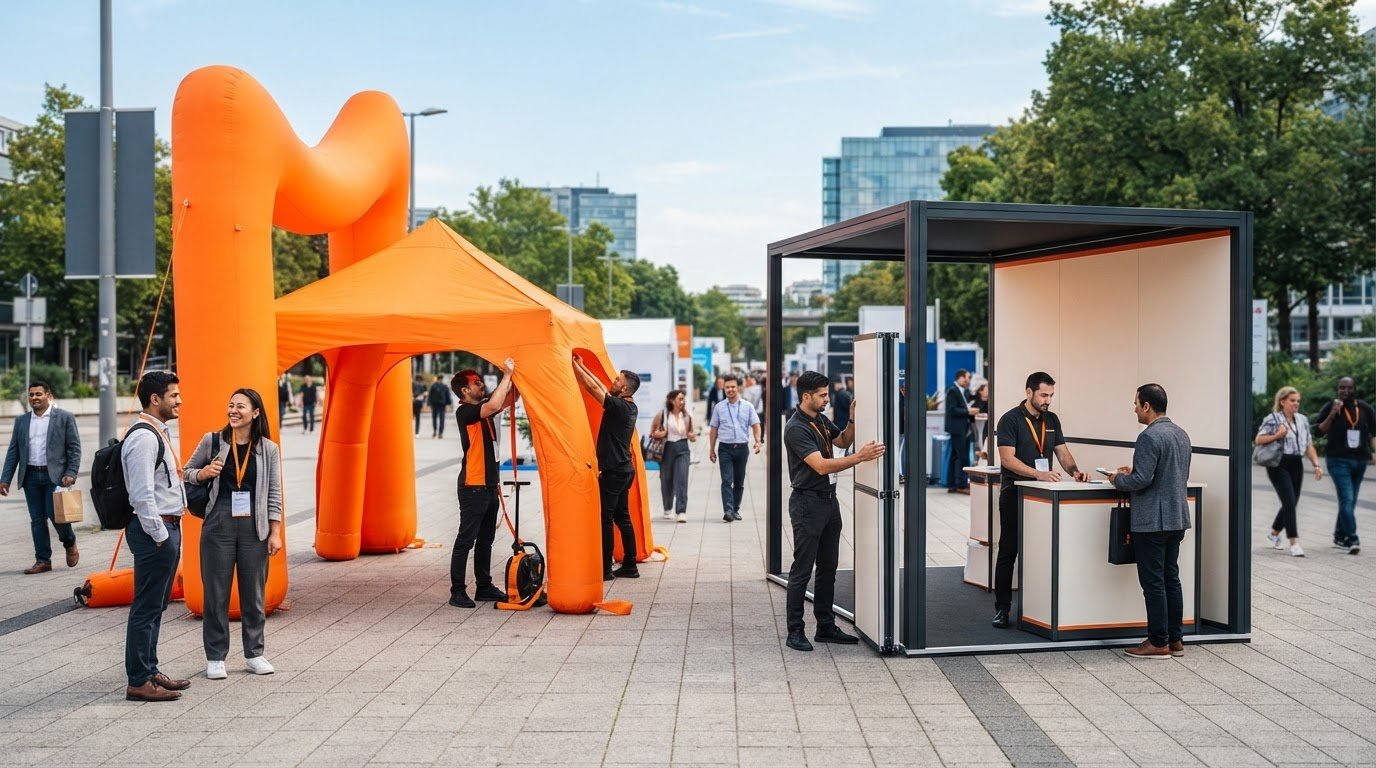
The most eye-catching structure isn’t always the best fit for your event. When comparing inflatable displays vs traditional structures, consider more than visual impact: your venue, transport plan, setup needs, and how often you’ll reuse the display all matter. A striking design should work hard for your brand without creating practical headaches on event day.
It’s natural to focus first on how a structure will look. But it also needs to fit the available space, travel smoothly, and suit the way your team will install and reuse it. This guide compares inflatables and traditional structures across setup, transport, venue fit, and brand presence, so you can make a decision based on both appearance and logistics.
You’ll also find the key project details to consider before developing a custom display. Zodiac Event Displays brings creative design and fabrication together to shape a presentation around your event goals.
Key Takeaways
- Choose a structure around your event goals and audience, not visual impact alone.
- Compare inflatable displays vs traditional structures by considering transport, setup, storage, and how often you’ll reuse them.
- Assess venue conditions and available space before settling on a design. The right fit depends on the event site and its requirements.
- Use a practical decision process to balance brand presence with the logistics your team can support.
- A clear event brief helps turn your goals into a cohesive branded structure, from design through fabrication and delivery.
Inflatable Displays vs. Traditional Structures: What Are You Comparing?
A bold event structure needs to do more than catch the eye. It also has to suit the venue, fit the way your team transports and assembles it, and support the experience you want guests to have. That’s the real decision behind inflatable displays vs traditional structures: matching visual ambition with practical demands, rather than choosing by appearance alone.
These categories cover a range of designs, not two standardized products. An inflatable may be a large branded environment or a compact sculptural feature. A traditional structure might define a booth, shelter, or display zone. Materials, dimensions, construction, and setup requirements vary with each design.
This comparison focuses on event structures, not inflatable signs versus rigid signs. A banner, flag, or other sign is primarily a messaging surface. A structure shapes the space around it, creates a focal point, or gives guests a defined place to gather or engage. Some projects combine both, but they serve different roles in the overall presentation.
What counts as an inflatable event structure?
Inflatable event structures use an air-filled form to create a branded presence. They can include substantial structures that define an event area, as well as smaller distinctive forms such as product replicas. Scale matters: a large structure may shape how people approach or move through a space, while an inflatable replica may function mainly as a visual landmark. These aren’t the same as inflatable signage, which is designed chiefly to display a message.
Construction and operation vary by design. Some structures rely on a blower during use, while details such as shape, material, and handling needs depend on the build. The term air-supported structures describes a related structural approach, but it doesn’t mean every inflatable display is built or operated in the same way.
What counts as a traditional event structure?
Traditional structures include framed event tents, modular exhibit systems, and other rigid builds. They can create a sheltered area, establish boundaries, or organize a display into defined zones. A tent may anchor an outdoor activation, while modular exhibit components can shape a branded footprint indoors. Materials, frame designs, connections, and configurations differ, so “traditional” doesn’t mean one fixed format.
Assembly can range from connecting modular components to building a larger frame-based structure. Parts may pack and travel differently, and the final layout may depend on available floor space, access routes, and venue conditions. These details matter as much as the finished look, particularly when a display will be used at different events.
Think of each format as a design choice with its own trade-offs, not as a universal shortcut or solution. First define the job the structure must do: attract attention from a distance, create a branded gathering point, provide shelter, or organize a presentation. With that purpose clear, the practical comparisons that follow become more useful.
How Inflatable and Traditional Event Structures Differ in Use
The format you choose affects more than the finished look. It shapes how the structure travels, how your team handles it, where it can be assembled, and how comfortably people move around it. For recurring events, compare the full journey from storage to setup to pack-down, not just the display once it’s in place.
Setup, transport, and storage considerations
Assembly depends on the design and its components. An inflatable structure may involve unfolding, positioning, and preparing its inflation system. A framed tent or modular exhibit may require connecting or arranging multiple parts. Neither format is automatically quicker or simpler. The number and type of steps, any tools or power needed, and the people available to help all affect the setup plan.
Look beyond the assembled dimensions. Record the packed size and weight of each component, then consider how it will move from storage to vehicle, through loading areas, and into the venue. A compact packed form may be convenient, but it still needs suitable handling and storage conditions. Rigid sections may require more careful space planning, while other designs pack differently. If the display will appear at multiple events, map the route and storage process before finalizing the structure.
Setup complexity and setup time aren’t identical. A design with several straightforward components may be manageable, yet still take longer to install in a venue with limited access or a narrow setup window. Plan around the actual site: available labor, delivery access, assembly space, and the order in which event areas must be prepared. Include any operating requirements specific to the design, such as power needs.
Footprint, visibility, and venue fit
A structure can look large from across a hall without taking up much floor space, or occupy a broad footprint while making a modest impression from a distance. Compare its overhead presence and sightlines with the usable ground area. For example, an elevated or rounded form may draw attention above neighboring displays, while a framed structure may create a clearly bounded area. In either case, leave room for queues, accessible routes, and attendee circulation.
Check ceiling height, entrances, corridors, loading access, and the placement of nearby exhibits before committing to a layout. These details can determine whether a tall feature is visible without obstructing views or whether a wide structure leaves enough room for guests to approach. The custom inflatables resource offers additional ideas for using inflatable forms to create a distinctive branded presence.
- Measure the intended footprint, including space needed around the structure for access and activity.
- Compare packed dimensions with vehicle, storage, and venue access limits.
- Plan assembly around the site layout, team, and design-specific operating needs.
Matching a memorable presence with workable logistics starts with the event brief. Zodiac Event Displays brings design and fabrication together to help translate event goals into a branded structure.
Inflatable vs. Traditional Structures: A Practical Comparison
There’s no universal winner in inflatable displays vs traditional structures. The useful question is which format better supports your event goals, venue conditions, and the way your team will transport, assemble, and reuse the display. Use the comparison below as a planning guide: each structure’s design and specifications shape how it performs.
| Consideration | Inflatable structures | Traditional structures |
|---|---|---|
| Portability | Some designs pack into a compact form, which may help with transport and storage. Packed size and handling vary. | Frames and panels may require space for separate components. Portability depends on the structure and how it breaks down. |
| Setup | Steps differ by design and may include positioning and inflation. Include operating needs in the setup plan. | Assembly may involve connecting frames, panels, or modules. The process depends on the components and configuration. |
| Footprint | A distinctive shape can create strong visibility, but its floor area and clearance needs still require planning. | A defined booth or canopy can organize a footprint. The layout must allow for guest access and movement. |
| Customization | Custom forms can create a recognizable silhouette or branded focal point. | Panels, frames, and modular elements can shape a branded presentation and defined display zones. |
| Repeat use | Suitability depends on packing, storage, care, and whether the design supports the planned event schedule. | A consistent configuration may simplify repeat planning, while layout changes can affect assembly and transport. |
Where inflatables may be a strong fit
An inflatable may suit a campaign built around a distinctive scale, sculptural shape, or recognizable custom silhouette. It can create a focal point at an activation or help a branded form stand apart in a busy event environment. For a touring program, compare its packed dimensions and handling needs with available transport and storage. Don’t assume every inflatable assembles or operates the same way; the specific design determines its requirements.
Where traditional structures may be a strong fit
A framed tent, booth, or modular exhibit may work well when the event needs a clearly defined area for demonstrations, conversations, or product displays. A repeatable layout can make planning more consistent across a program, provided its footprint suits each venue. Modular elements can also organize the space around specific activities. For trade-show planning ideas, explore this custom trade show display guide.
Takeaway: Choose based on event objectives and real-world constraints, then shape the design around both. Zodiac Event Displays brings design and fabrication together to create branded inflatables and event structures around a project’s goals. Custom event display design connects the format you choose with the presentation you want to create.
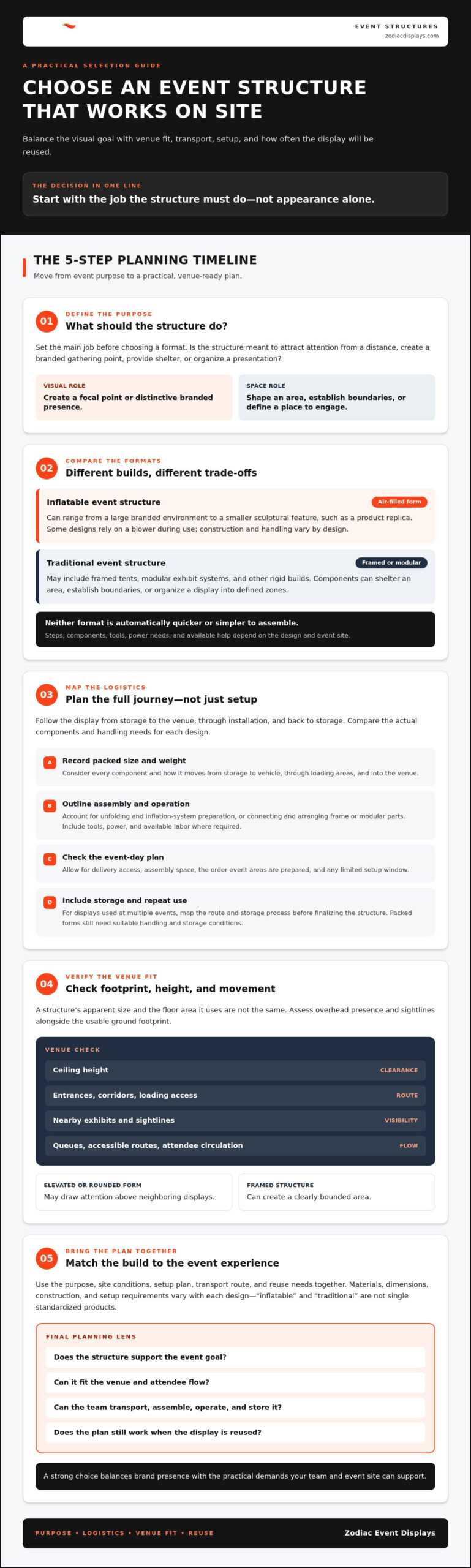
How to Choose the Right Structure for Your Event
A clear decision starts with the job the structure needs to do. Use this sequence to weigh brand impact against venue and logistics, then turn the result into a brief that can guide design.
- Set the objective and audience. Decide what attendees should notice or do. A trade-show booth may need to invite conversation and support demonstrations, while an outdoor activation might need a recognizable focal point. Identify your audience and the structure’s role in their experience before choosing a format.
- Map the venue constraints. Note the available footprint, ceiling height, access routes, and layout. Consider sightlines from the approaches guests will use, along with room for queues and circulation. For a canopy-based event, these custom event tent planning ideas can help frame the site requirements.
- Plan transport and setup. Record where the display will travel from, how it gets into the venue, and the conditions the team will face during assembly. Packed dimensions, component handling, setup space, and any design-specific operating needs all belong in the plan.
- Account for storage and repeat use. If the structure will tour or appear at multiple events, compare storage needs and handling between uses. Consider whether the same footprint and configuration will work at each destination or whether the design must adapt to different venues.
- Separate must-haves from enhancements. List the functions the structure must provide, such as shelter, a defined display area, or a visible branded focal point. Then identify optional features that could strengthen the experience without compromising access, fit, or practical handling.
Match the structure to the event scenario
For a trade show, prioritize a clear booth layout, audience approach, and display functions. An outdoor activation may call for a visible feature or canopy that suits the site and guest flow. A touring program needs a design that can be transported, stored, and set up across its planned destinations. The best match in inflatable displays vs traditional structures depends on which needs matter most in that specific scenario.
Build a useful project brief
Bring the decision into a concise brief: venue dimensions and access details, event schedule, expected reuse, transport and storage plans, brand priorities, audience approach, and required display functions. Include delivery destinations if the structure will travel. These details give the design process a practical foundation while leaving room to develop a distinctive presentation.
Zodiac Event Displays connects design, fabrication, and delivery to help translate event goals into a branded structure. Plan your event display with a brief that balances creative ambition and real-world needs.
Bring Your Event Structure from Idea to Branded Experience
The choice between inflatable displays and traditional structures is a starting point, not a standalone product decision. A structure earns its place when its form, branding, and practical role work together to support the event. A clear brief connects the experience you want guests to have with the venue and the realities of getting the display there.
Turn the comparison into a coordinated design
Begin with the event objective, audience, and brand identity. A trade-show display may need to frame a conversation area, while an inflatable could give an activation a memorable branded focal point. Venue conditions help define what’s workable, from the available footprint to how guests will approach and move around the display. Use these inputs to guide the concept before developing the structure.
Custom fabrication can bring the selected structure and its graphics together as one cohesive presentation. An event tent, inflatable, or trade show display can be designed around the brand and its purpose, rather than treated as a blank form with graphics added as an afterthought. The result should express the brand clearly while serving the planned event function.
That’s where inflatable displays vs traditional structures becomes a project question, not just a category comparison. Zodiac Event Displays brings design and fabrication together to translate event goals into custom event assets. The team supports projects from creative concept through fabrication and delivery, keeping the intended brand presentation connected across each stage.
Plan your next custom event display
Before starting a project discussion, gather the details that will shape the design and delivery plan. A focused brief can include:
- Event purpose and audience: What should the display help guests notice, understand, or do?
- Brand priorities: Which messages, identity elements, and visual qualities matter most?
- Venue and schedule: What are the space dimensions, access details, and event dates?
- Practical needs: What display functions are essential, and what storage, handling, transport, and setup conditions should inform the design?
- Use and destination: Is the display for one event or a recurring program, and where does it need to be delivered?
These details give the project a strong foundation without locking the creative direction too early. Zodiac Event Displays coordinates design, fabrication, and worldwide delivery, connecting the chosen structure to your brand and event plan. Bring your goals and project details together, then start a conversation about your event display.
Make Your Next Event Structure Work Harder
The right structure can do more than mark a place on the floor. It can signal your brand’s personality and set the tone for how guests engage. As you move from comparing inflatable displays vs traditional structures to planning your event, use the creative brief to shape that experience, not simply select a format.
Start with one guiding question: what should attendees notice, feel, or do when they encounter your display? Let the answer steer decisions about form, graphics, and how the structure fits the event environment. Zodiac Event Displays connects design, fabrication, and global delivery to carry a custom concept toward a finished branded presence.
Bring your event goal, venue details, and brand priorities together to plan a structure that feels unmistakably yours. Start a conversation about your event display.
Frequently Asked Questions
Can inflatable event structures be used indoors?
Yes, an inflatable structure can work indoors if its installed dimensions, operating needs, and venue conditions are compatible. Check ceiling height, overhead fixtures, entrances, and the space needed around it for guests to move comfortably. For example, a tall branded feature may fit an exhibition hall but not a low-ceiling meeting room. Include the structure’s full dimensions in your floor plan and account for its power setup if required.
Do all inflatable event structures need continuous power?
No, power requirements depend on the structure’s design. Some use a blower that runs during use, while others may have different operating systems. Don’t assume from appearance alone. Review the design’s operating instructions and plan outlet locations and cable routes before finalizing the layout. This can affect where the display sits, how guests approach it, and whether the proposed position works with the venue’s available power.
Are inflatable structures suitable for outdoor events in windy conditions?
They may be suitable, but the specific structure’s stated wind limits and installation requirements matter. Outdoor conditions can vary across a site: an exposed plaza and a sheltered area beside a building may experience different wind patterns. Build weather monitoring into the event plan, follow the structure’s operating guidance, and have a response plan if conditions change. Don’t assume one inflatable’s wind performance applies to another design.
Which type of event structure is easier to transport and store?
It depends on the individual structure and how its components pack. Some inflatables deflate into a compact package, while framed or modular displays may travel as separate parts. Compare packed dimensions, weight, handling needs, and storage conditions rather than judging by assembled size. For a multi-event schedule, consider the complete route from storage to vehicle to venue, including loading access and space available between events.
Can inflatable and traditional structures be combined in one event space?
Yes. A branded inflatable can serve as a visual focal point while a tent or trade-show display defines a meeting or demonstration area. Plan them as one environment: align the graphics and visual hierarchy, then map footprints and guest routes together. For instance, make sure the focal structure doesn’t block booth messaging or narrow the approach to a staffed area. A scaled layout can reveal conflicts before event day.
How should I check whether a structure fits my event venue?
Compare the structure’s installed dimensions with a current venue floor plan, including height and any parts that extend beyond its base. Check ceiling clearance, entrances, delivery routes, nearby displays, and the space attendees need to pass or gather. Mark the footprint on the plan and compare it with the venue’s layout requirements. A site visit or measured floor plan can help catch obstacles that photos may not show.
What information should I prepare before designing a custom event structure?
Prepare the event objective, audience, brand priorities, and the display’s essential function, such as creating a focal point or supporting a product demonstration. Add venue dimensions, access details, event dates, delivery destination, planned reuse, and storage or handling constraints. Brand guidelines and available logo artwork can help inform the visual direction. Distinguish must-haves from optional enhancements so the design can balance impact with practical needs.
 Previous reading